
but do you remember?
on the motif of “remembering” in taylor swift’s discography

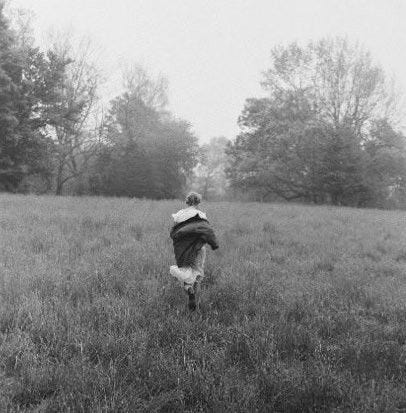
The crux or motif strewn through most of Taylor Swift’s songwriting, I have started noticing recently, is that of remembering. Of recollections, of a kind of meditation on the power of memory. This became overtly glaring to me when I first listened to the 10-minute version of All Too Well, how she hauntingly sings a litany of ‘I was there’s, ‘I/You remember it all too well’s. This is especially poignant because she uses memory as a tool to stand her ground in the aftermath of a breakup, to root herself in place, to say to the other person: this happened and I remember it and you cannot dismiss it or diminish it for me in any way. She remembers, and it is a curse as well as a beautiful sliver of a love long gone. “Remembering him comes in flashbacks and echoes,” she sings emphatically in Red, and in a way this summarizes the oeuvre of the majority of her songwriting: memories visualized in fragments, a vignette of recollections so vivid it almost physically transports you inside these moments.
It could be said that remembering, or the very fact of memories, is common to most songs, especially romantic ones. Maybe so, but the way Taylor does it is different, in that she uses it as a apparatus and weaves a sort of power from it. Memories propel her lyrics forward; they breathe life into her songs.
Taylor also uses the history of certain relationships to plaintively pose questions to her past lovers, urging them to come along on the journey of remembering, asserting, and affirming facets of their time together. She wants it to be a collaborative effort, this remembering. In Out of the Woods, she sings: “We were lying on your couch, I remember / And I remember thinking, are we out of the woods yet? / You were looking at me, I remember, oh, I remember.” And then the asking, the pleading: “Remember when you hit the brakes too soon? / Remember when we couldn’t take the heat?” She switches from recalling memories herself to questioning the other person if he, too, recalls them as clearly as she can. As I mentioned previously, I believe this depicts the synergy that she’s trying to conjure, which makes these songs all the more dynamic. By directly addressing her past lovers, she makes the song feel almost like a conversation. Similarly, in False God she inquires of her lover: “Remember how I said I’d die for you? / Remember how I’d fly to you?”. In a sense what she’s asking them is this: this happened, didn’t it? You can vouch for me, for these moments, can’t you? You loved me once, remember? I hope you do.
Perhaps the most heartbreaking instance of remembering from Taylor’s discography is from August. “But I can see us lost in the memory / August slipped away into a moment in time / 'Cause it was never mine,” she sings in the chorus. The entire premise of the song is that of remembering, of feeling wistful over a lover who was never actually ‘yours’; someone who never gave themselves fully to you, someone who existed for a blip in your life - for a short but passionate summer - and then left. In their absence, all the narrator is left to do now is to reminisce on their shared moments together. The seaside and summer, their back beneath the sun, being twisted in bedsheets, etc, but especially the bridge: when she asks him to get in the car and meet her behind the mall. “You were never mine, but do you remember… / Remember when I pulled up and said, ‘Get in the car’” - even though they were never officially, concretely together, she urges him to acknowledge the truth of the matter, that things were once beautiful and true. She reiterates this sentiment throughout the song, harkening back to the moment that started this passionate and short-lived love affair, and perhaps also because her memories of him are so scarce that these moments are all she has to go by. This stands in stark contrast to the song Cardigan, the other song in the trio of ‘love triangle songs’ on the album Folklore. In Cardigan, Betty has no shortage of memories and details about James that she can call to mind. What Betty and James had was ‘real’, in that they were, at least for a while, in a proper, committed relationship with each other.
When asked about the song August in an interview, Taylor said, “[...] You learn the very hard lesson that if you don't define something, oftentimes they can gaslight you into thinking it was nothing at all, and that it never happened. And how do you mourn the loss of something once it ends, if you're being made to believe that it never happened at all?” This, especially the last line, encapsulates all the points I have touched on in this essay. Because in the end, the purpose that memory serves, the purpose of reminiscence is that when it’s all over and the dust has settled, you can properly and faithfully grieve it. Without the process of mourning something, without giving it that closure, life is just an endless series of hurt and pain and heartbreak with no end in sight, no palliation. This is what Taylor Swift does best, and this is why she is revered as a songwriter - she emphasizes everything a relationship consists of, but especially the painful parts of it; she cherishes the pain and in doing so, makes it beautiful and ultimately meaningful.
love this! just discovered your substack, and i'm a swiftie too